By Clint Thompson Hurricane Idalia’s path through Southeast Georgia left many powerless. It is a concern for those with fall vegetable crops in that part of the state, says Chris Butts, executive vice president of the Georgia Fruit and Vegetable Growers Association. “That area we’re hearing from, Lake Park, appears to be hit particularly hard with tons of trees down …
Cover Crops Recommended for Managing Nematodes
By Clint Thompson A multi-pronged approach to nematode management remains the best approach for Florida specialty crop producers. Johan Desaeger, assistant professor of entomology and nematology at the University of Florida Institute of Food and Agricultural Sciences (UF/IFAS) Gulf Coast Research and Education Center, discussed nematode management during the recent Citrus and Specialty Crop Expo in Tampa, Florida. “It just means that …
WOTUS Rule Amended to Conform with Supreme Court Decision
This week, the U.S. Environmental Protection Agency (EPA) and the U.S. Department of the Army (the agencies) announced a final rule amending the 2023 definition of waters of the United States (WOTUS) to conform with the recent Supreme Court decision in Sackett v. EPA. The agencies are committed to following the law and implementing the Clean Water Act to deliver the essential …
Pecan Producer Loses Some Trees, Talks Season
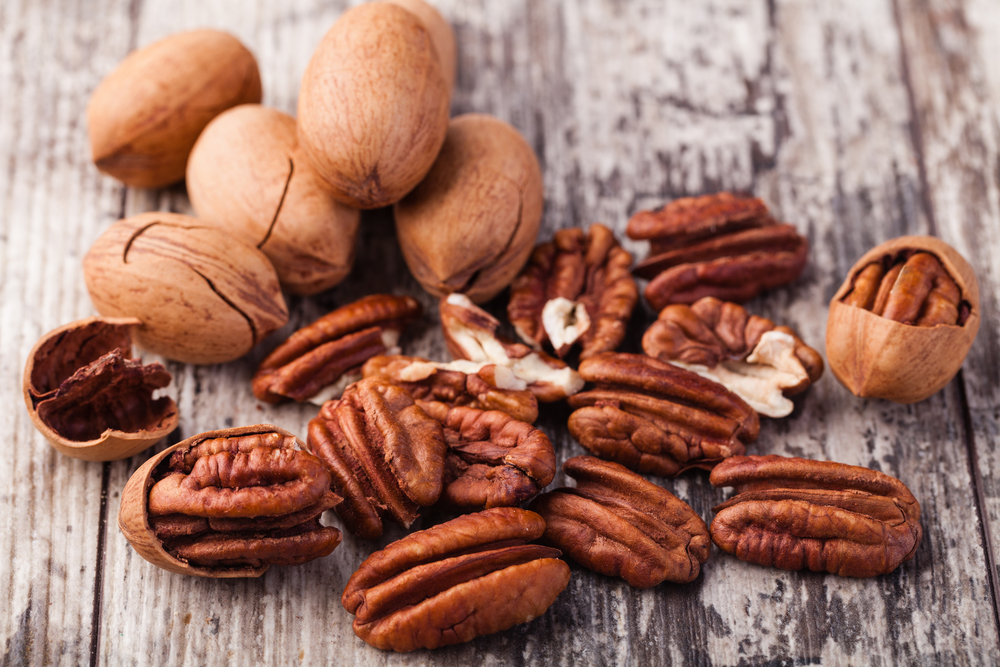
By Clint Thompson Count pecans as one crop impacted by Hurricane Idalia’s trek through the Southeast. Trees toppled over. Limbs fell to the ground. Nuts were lost. One of those farmers who suffered loss was Jimmy Ross, a Tift County producer in South Georgia. He said a small orchard off Chula-Whiddon Mill Road had multiple trees down following Wednesday’s storm …
Farm Bill Has Multifaceted Effects on Alabamians
AUBURN UNIVERSITY, Ala.—The Agriculture Improvement Act of 2018 is set to expire Sept. 30. An Alabama Cooperative Extension System economist said the act, also known as the farm bill, has more than just an agricultural impact on Alabamians. Adam Rabinowitz is expecting house and senate committees to begin releasing bill drafts in late August near the end of the congressional …
Cover Crops Part of Management Strategy for Nematodes
By Clint Thompson A multi-pronged approach to nematode management remains the best approach for Florida specialty crop producers. Johan Desaeger, assistant professor of entomology and nematology at the University of Florida Institute of Food and Agricultural Sciences (UF/IFAS) Gulf Coast Research and Education Center, discussed nematode management during the recent Citrus and Specialty Crop Expo in Tampa, Florida. “It just …
PSA: Septic System Maintenance After Flooding
Developed by University of Florida Institute of Food and Agricultural Sciences (UF/IFAS) Extension regional specialized water resources agents Yilin Zhuang and Andrea Albertin During floods or heavy rains, like ones associated with Hurricane Idalia, the soil around a septic tank and drainfield can get waterlogged, and wastewater from the septic system can’t drain through the soil. Help avoid major problems …
WOTUS Rule Amended to Conform with Supreme Court Decision
This week, the U.S. Environmental Protection Agency (EPA) and the U.S. Department of the Army (the agencies) announced a final rule amending the 2023 definition of waters of the United States (WOTUS) to conform with the recent Supreme Court decision in Sackett v. EPA. The agencies are committed to following the law and implementing the Clean Water Act to deliver …
What’s Done During Fallow Period is Key Strategy for Weed Management
By Clint Thompson What growers do during the fallow period will have just as big of an impact on weed suppression than what is done during the production season itself. That is the mindset shared by Ramdas Kanissery, weed scientist and assistant professor at the University of Florida Institute of Food and Agricultural Sciences (UF/IFAS). He discussed weed management during …
Hurricane Sally Aftermath: Alabama Pecan Crop Down
By Clint Thompson Southwest Alabama’s pecan crop is still feeling the effects of Hurricane Sally in 2020. That is a big reason the crop is expected to be down this year, according to Bryan Wilkins, Alabama Extension research associate. “We’re probably somewhere around 2, 2.5 million pounds, maybe a little more, if we make it through this drought,” Wilkins said. …