









By Clint Thompson Hot and dry spring weather conditions in the Southeast meant minimal scab disease pressure for pecan producers. But growers need to be mindful of a potential disease surge if rain persists this summer in the region. Lenny Wells, University of Georgia Extension pecan specialist, cautions producers about the potential impact that scab disease can have at this …
Surging Input Costs Impact Florida’s Specialty Crop Season
By Clint Thompson Strong market prices for some specialty crops have been tempered by input costs that have spiked to levels many growers had not experienced before the COVID-19 pandemic. No Florida specialty crop producer was immune from feeling the financial pinch this year from rising expenses associated with fertilizer, chemicals, diesel and freight. “Our input costs are so much …
North Florida Watermelon Harvests Continuing
By Clint Thompson Harvests of North Florida watermelons are in full swing across the Suwanee Valley. How long they are able to continue vary from farm to farm. Bob Hochmuth, University of Florida Institute of Food and Agricultural Sciences (UF/IFAS) regional specialized Extension agent in Live Oak, Florida, discusses the outlook for how much longer the harvests will continue. “There’s …
Recent Rainfall Alleviates Some Dry Conditions Across Southeast
Recent rainfall has helped alleviate the dry conditions in North Alabama and North Georgia, though various regions across the Southeast are still dry. According to Thursday’s release of the U.S. Drought Monitor, only Morgan, Jefferson and Henry counties are abnormally dry in Alabama. Most of the southern region of Georgia is either abnormally dry, moderately dry or severely dry. Dry …
Post-Harvest Control of Bud Mites Essential for Blueberry Producers
By Clint Thompson Multiple control methods are available for blueberry producers trying to manage bud mites. It starts post-harvest when scouting and management of the pests are most important, says Ash Sial, University of Georgia entomologist. “While they don’t seem to be a serious issue in most situations, in some situations they can causes extremely high levels of damage. Last …
Bill Brim: Fighting for the Future of U.S. Farmers
By Clint Thompson Georgia farmer Bill Brim faces his share of challenges producing spring and fall crops in Tifton. But one worry haunts him daily: Where his grandchildren and future generations will get their food. “It’s going to come from the south of us (Mexico imports), and it’s going to be controlled by other people that you don’t want to …
Brown Rot Management Key for Peach Producers
By Clint Thompson Alabama Extension reminds peach producers that brown rot disease can flare up this time of year and wreak havoc on the remaining crop. That is why growers should be diligent with their preventative fungicide sprays, says David Lawrence, Alabama regional Extension agent. “It’s almost a given that if you don’t spray preventatively, you’re going to face it …
Southeast Farm Labor Update
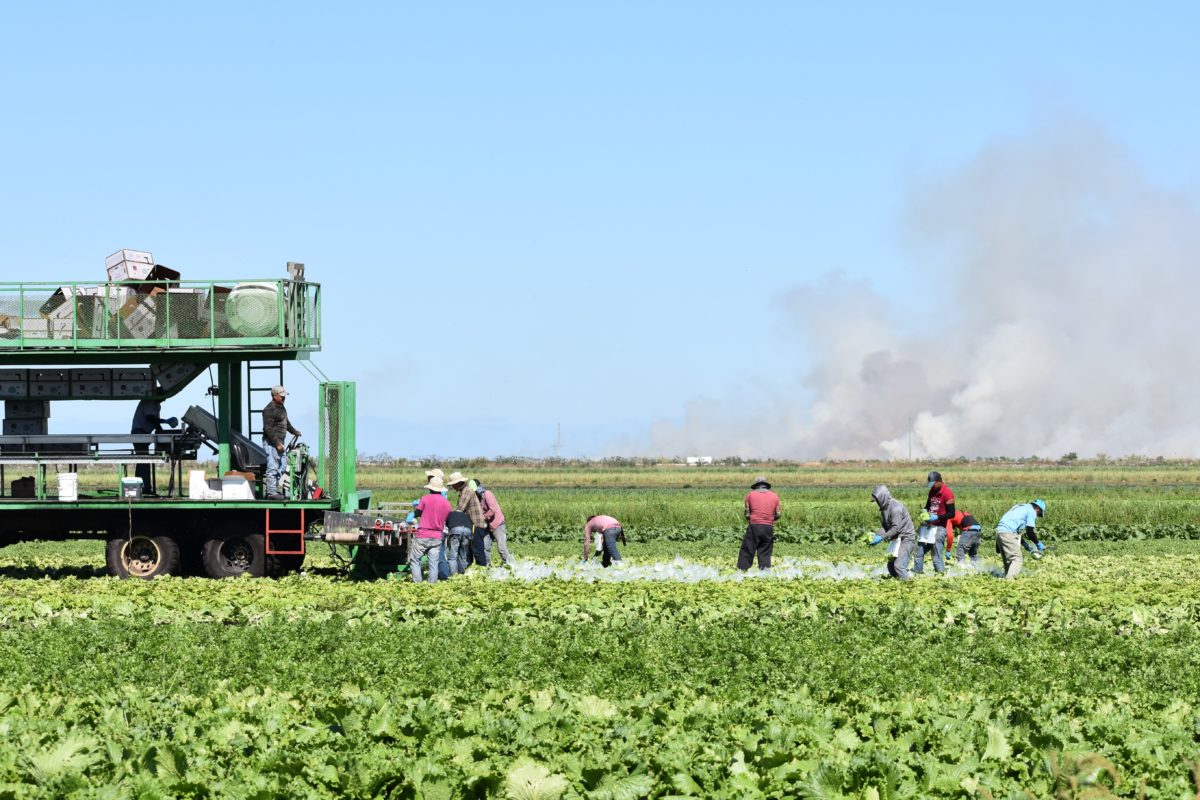
According to the U.S. Department of Agriculture National Agricultural Statistics Service, there were 30,000 farm labor workers hired directly by farmers in the Southeast, including Alabama, Georgia and South Carolina, during the week of April 10-16. Florida producers hired 28,000 during the same timeframe. Southeast farm operators paid hired farm labor workers an average gross wage rate of $13.76 per …
What Southeast Citrus Growers Should Be Watching For
A prolonged dry spell across the Southeast should have citrus growers ensuring their young trees are properly irrigated. But Jonathan Oliver, University of Georgia (UGA) assistant professor and small fruits pathologist, cautions growers about applying too much water. “The real young trees don’t have much of a root system, of course. It has been pretty dry. But you don’t want …
Vidalia Onion Producers ‘Happy’ with Season
By Clint Thompson Georgia’s Vidalia onions are harvested for the 2022 season. Growers are ‘happy’ with the results, says Bob Stafford, manager of the Vidalia Onion Committee. Most of their contentment stems from a dry spring, meaning less potential disease pressure for this year’s crop. “It was kind of an awkward start, but it cranked up and we had a …