









By Clint Thompson The April issue of Specialty Crop Industry Magazine highlights watermelon production. It looks at the current trends and the future of anthracnose disease while also spotlighting new viruses to watch for in watermelons and other cucurbit crops. Severe anthracnose outbreaks have occurred in cucurbit-growing counties along the East coast, including in Florida and Georgia. University of Georgia …
UGA Extension Pecan Specialist: Know Your Costs of Production
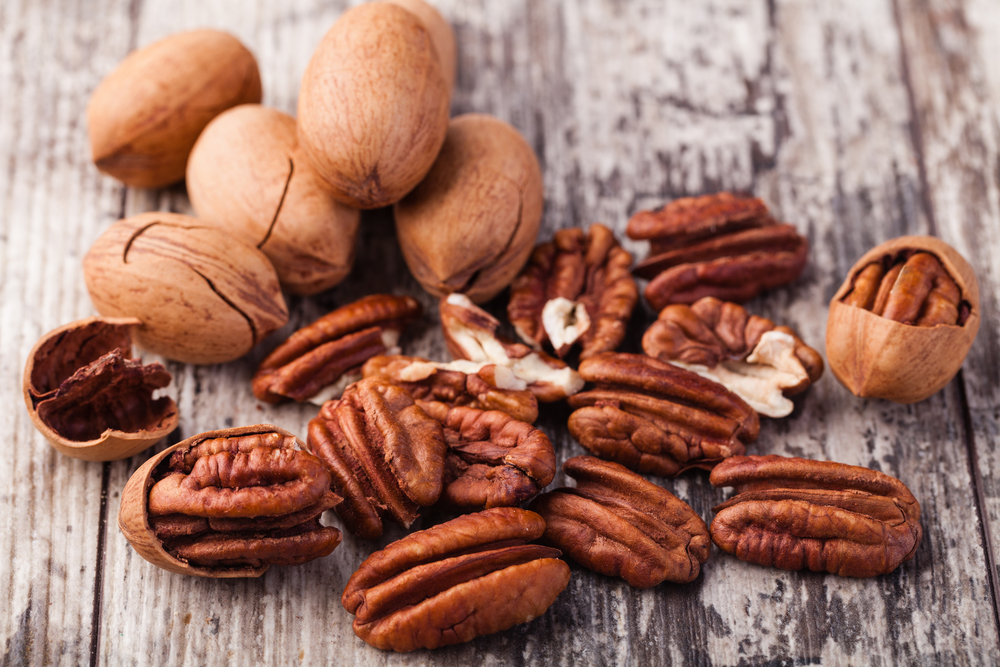
By Clint Thompson Lenny Wells’ words of wisdom to potential pecan producers is simple: Know your costs of production. The University of Georgia Extension pecan specialist stresses to growers interested in starting their own orchards to familiarize themselves with input costs. “It was expensive before, but now with the increase in input costs, like everything, it’s gone way up. As …
Biden’s 2023 Budget Proposal: Ag and Rural Funds
President Joe Biden unveiled his budget proposal for fiscal year 2023, Monday. Agriculture Secretary Tom Vilsack says the President’s budget provides USDA with “the tools needed to support a vibrant, revitalized, and prosperous rural America.” The budget includes more than $10 million for oversight and enforcement of the Packers and Stockyards Act as well as money to support innovation in agriculture and …
Keeping You Informed: Clemson Extension Agents Provide Crop Updates
Clemson Extension agents provide updates in The South Carolina Grower this week about the status of various crops being produced throughout the state. Coastal Region Rob Last reports, “The first of this season’s strawberries are coming to market with good quality. Growers still need to be very mindful that spider mites populations are around in the area but are variable. …
Florida Citrus Growers’ Institute Returns as an In-Person Event Next Week
After being forced to the virtual space by COVID-19 for the past two years, the Florida Citrus Growers’ Institute will return to an in-person event next week. This year’s institute will be held Tuesday, April 5 from 8:30 a.m. to 3 p.m. at South Florida State College, Alan Jay Wildstein Center for the Performing Arts in Avon Park, Florida. “We …
Donaldson Citrus Variety Called a Beacon of Hope
By Frank Giles The Donaldson citrus variety has been the subject of conversation among growers lately. The tree at the U.S. Department of Agriculture’s (USDA) A.H. Whitmore Foundation Farm is believed to be a true early-season sweet orange. The health of the tree is what’s getting grower attention. The tree is producing good-sized fruit that is not dropping to the …
Copper Applications: What to Know for North Florida Watermelon Producers
By Clint Thompson A better understanding of copper applications could provide North Florida watermelon producers a safer management plan in producing their crop this season. Mark Warren, University of Florida Institute of Food and Agricultural Sciences (UF/IFAS) Extension agent in Levy County, wants to better educate producers about the different forms of copper and its potential impact on watermelon plants. …
Florida Watermelon Producer Discusses Inputs, Looming Market Prices
By Clint Thompson Florida Watermelon harvests are about to commence. One producer has done all he can to keep his crop clean this season, even if input costs rose to new heights. “I’ve got no disease pressure, no bug pressure. We spray them every seven days. You sit back and wonder if we’re wasting money because there’s nothing wrong with …
Ambrosia Beetle Management Key for Young Pecan Trees
By Clint Thompson University of Georgia Extension pecan specialist Lenny Wells reminds producers about the susceptibility that young trees have to ambrosia beetle damage. “This is the time that they’re out, with the warm weather that we’ve had. They’re out flying. We’ve had reports of some out and hitting trees already. It’s not surprising,” Wells said. “This is when they …
Update on Finger Limes in Florida
The Australian finger lime has created a buzz among chefs and mixologists for its caviar-like texture and flavorful pulp. The fruit also has captured interest among growers for its seemingly high tolerance to HLB. On March 23, the University of Florida Institute of Food and Agricultural Sciences (UF/IFAS) hosted a half-day online symposium on finger limes to provide growers with …