









Commissioner Wilton Simpson announced the protection of 13,371 acres of Florida ranchlands through the Florida Department of Agriculture and Consumer Services’ Rural and Family Lands Protection Program. With approval by the Governor and Cabinet, approximately 13,371 acres of working agricultural lands will be preserved through cost-effective agricultural conservation easements totaling $36,754,000. Agricultural conservation easements prevent future development of the land …
Citrus Display Season Is Here
By Peter Chaires Each year, the citrus breeding teams provide opportunities for interested parties to sample fruit from new and recent selections. This is a great opportunity to keep current on the results of this research. Some of these events also include field tours and opportunities to see the trees. A significant effort is being made to accelerate the identification …
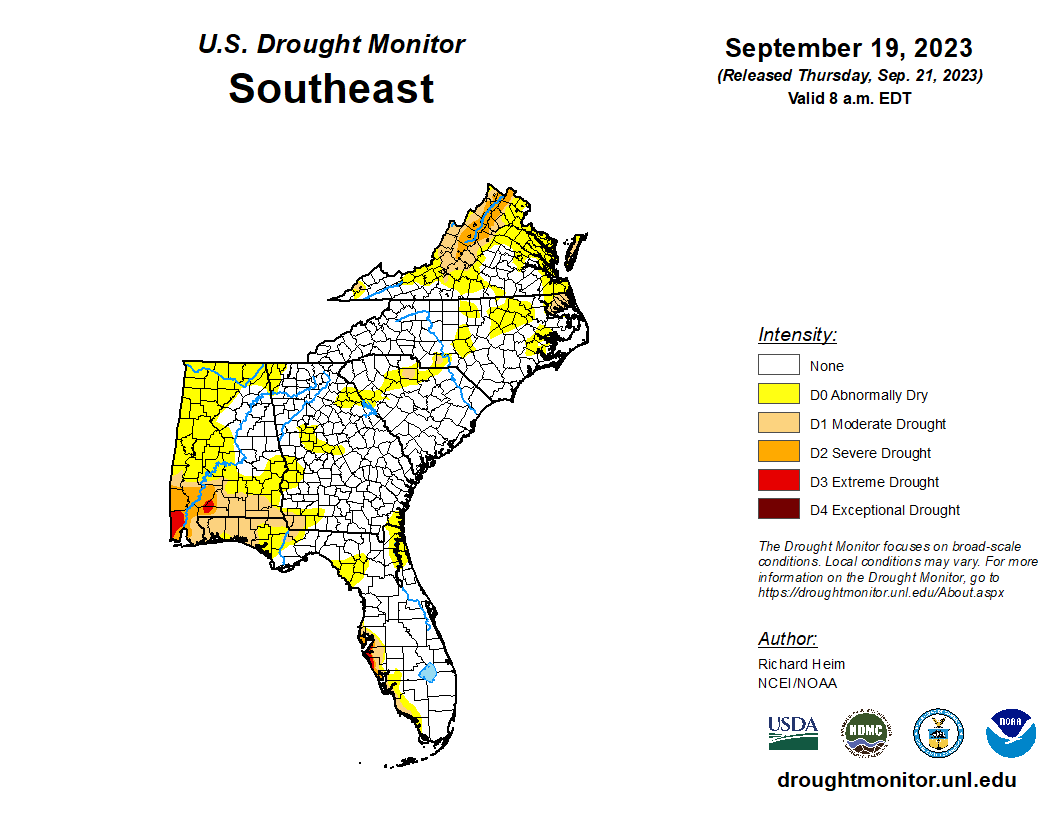
It’s Dry Out There: Most of Alabama Experiencing Drought-Like Conditions
Hot and dry conditions remain prevalent across the Southeast. Drought-like conditions are observed across various areas of Alabama, Florida and Georgia, according to the U.S. Drought Monitor. Dry conditions are observed over most of Alabama, from Mobile and Baldwin counties in the southwest part of the state, all the way to Lauderdale, Limestone, Madison and Jackson counties in North Alabama. …
Tomato Producers Should be Wary of Fungicide Application
By Clint Thompson Tomato producers applying fungicides should be wary the management tactic could exacerbate bacterial spot disease. Gary Vallad, professor of plant pathology at the University of Florida Institute of Food and Agricultural Sciences (UF/IFAS) Gulf Coast Research and Education Center, spoke at the Florida Tomato Conference in LaBelle, Florida, last week. He cautioned growers to consider the spray applications they …
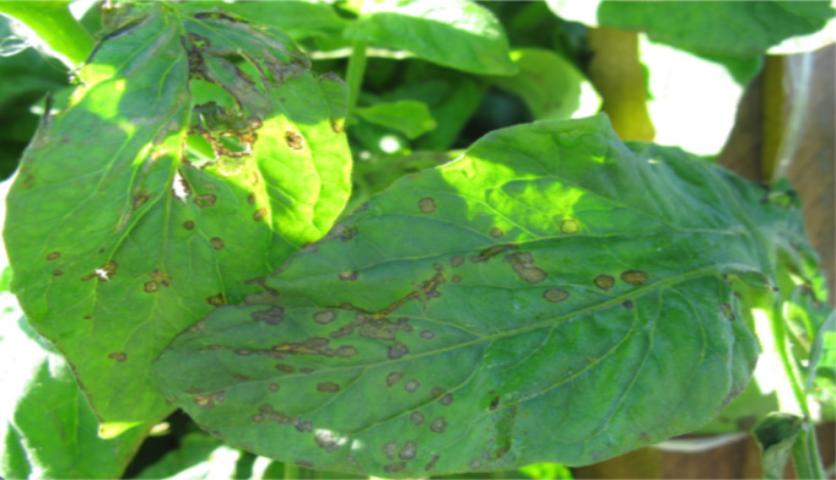
Bacterial Spot in Tomatoes: Too Much Fungicide Sprays Can Make Problem Worse
By Clint Thompson Tomato producers applying fungicides should be wary the management tactic could exacerbate bacterial spot disease. Gary Vallad, professor of plant pathology at the University of Florida Institute of Food and Agricultural Sciences (UF/IFAS) Gulf Coast Research and Education Center, spoke at the Florida Tomato Conference in LaBelle, Florida, last week. He cautioned growers to consider the spray …
About
AgNet Media has merged two of its print brands to create a new magazine — Specialty Crop Grower. The magazine will serve growers of fruit and vegetable crops in the Southeast. The publication’s digital home will be SpecialtyCropGrower.com. In 2022, AgNet Media purchased Florida Grower, a 116-year-old magazine with a loyal following among the state’s specialty crop producers. Florida Grower …
Advertise
Advertise with Specialty Crop Grower! Reaching growers in Florida, Georgia, Alabama and the Carolina’s, Specialty Crop Grower allows us to maximize editorial coverage and enhance your advertising opportunities. The new title emphasizes our commitment to serving the growers who represent the Southeast produce industry. AgNet Media’s grower audience reach in the Southeast is unparalleled. That, in combination with exceptional editorial, …
Home Page
October 23, 2026Drought Monitor Update Across Southeast October 22, 2026Under Review: UGA Studying Direct Seed Planted Vidalia Onions October 22, 2026Specialty Crop Grower Magazine: Building a Better Future for Georgia Blueberries Legislative News Jan. 30, 2026 USMCA Prep: USTR Ambassador Greer Meets With Mexican Secretary of EconomyJan. 27, 2026 USMCA Highlighted During Southeast RegionalNov. 19, 2025 Trump Administration Delivers Second …
USDA Targets Transgenics Against HLB
Matthew Mattia recently provided an overview of work at the U.S. Department of Agriculture Agricultural Research Service (USDA ARS) transgenic test site in Fort Pierce. Transgenic refers to an organism that contains genetic material into which DNA from an unrelated organism has been artificially introduced. Scientists at the Picos Farm screen transgenics for suppression of citrus Candidatus Liberibacter asiaticus (CLas), the bacteria that causes …
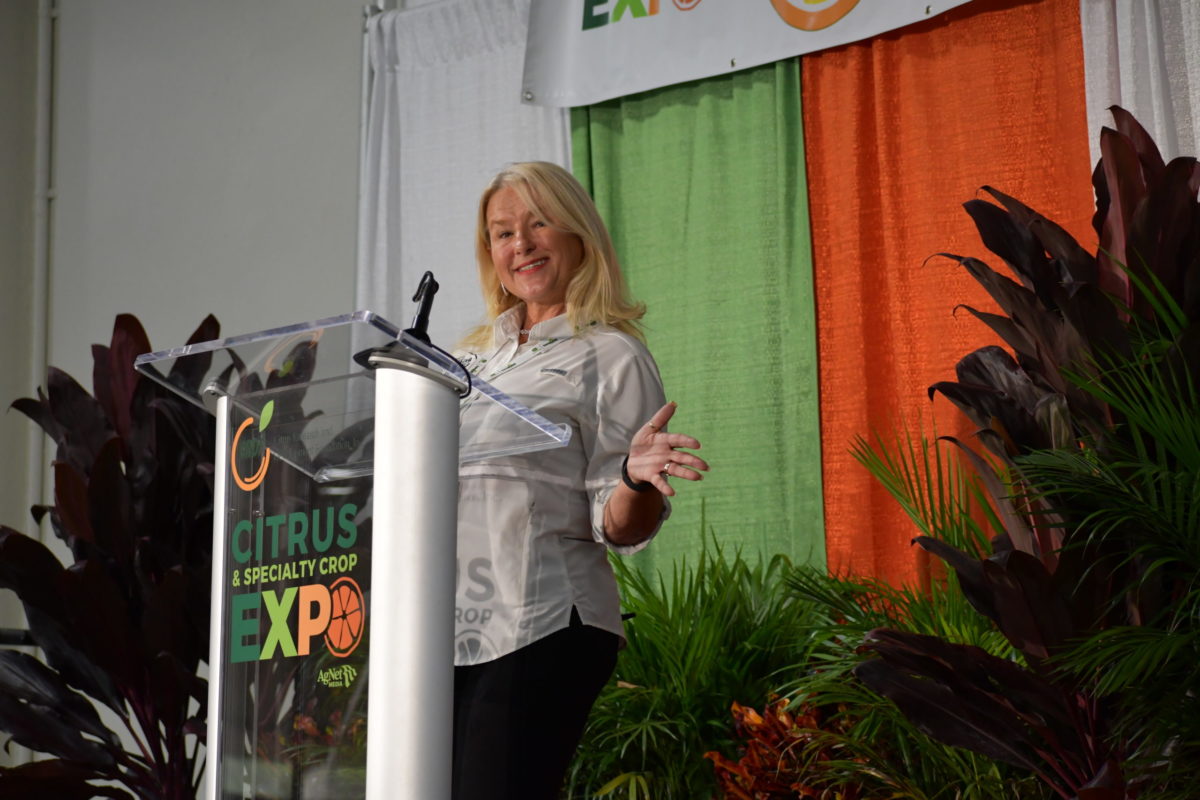
Citrus & Specialty Crop Expo is a Hit in Tampa
By Frank Giles The Citrus & Specialty Crop Expo ventured into new territory this year — literally. After three decades at the Lee Civic Center in Fort Myers, this year’s event was held at the Florida State Fairgrounds in Tampa. There were several factors forcing the move, including damage to the Lee Civic Center from Hurricane Ian. With a new …