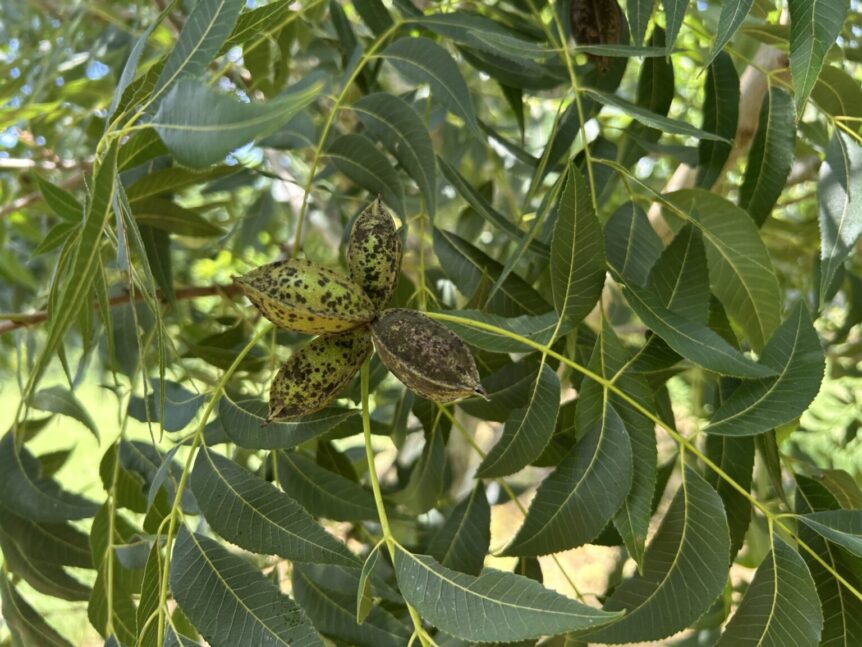








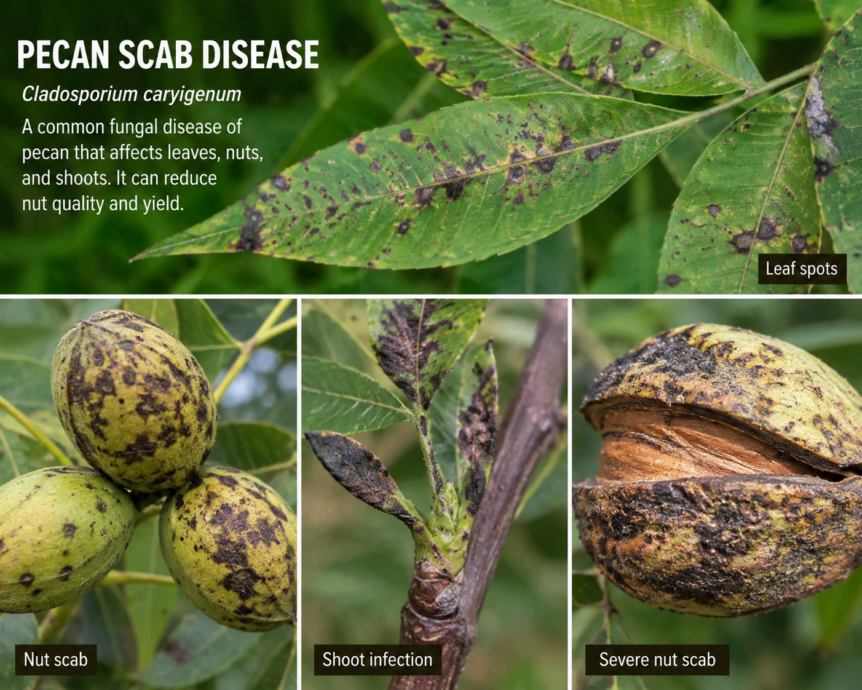
By Clint Thompson Pecan harvests will begin soon across the Southeast. With harvest season on the horizon in Georgia and Alabama, growers are also winding down their fungicide sprays for scab disease. Lenny Wells, University of Georgia Extension pecan specialist, talked about what fungicide sprays remain for growers, which largely depends on the variety. “Pawnee, which is of course is …
Harder to Control? Scab Disease Increasing in Pawnee
By Clint Thompson Scab disease may be becoming harder to control on the Pawnee pecan variety. That’s a concern shared by Lenny Wells, University of Georgia (UGA) Extension pecan specialist. Wells noted in the UGA Pecan Blog that his team saw more scab on Pawnee last year than what is observed in Desirables, a notoriously scab susceptible variety. “I had …
Yellow-Legged Hornet’s Ongoing Threat to Honey Bees, Region’s Agricultural Industry
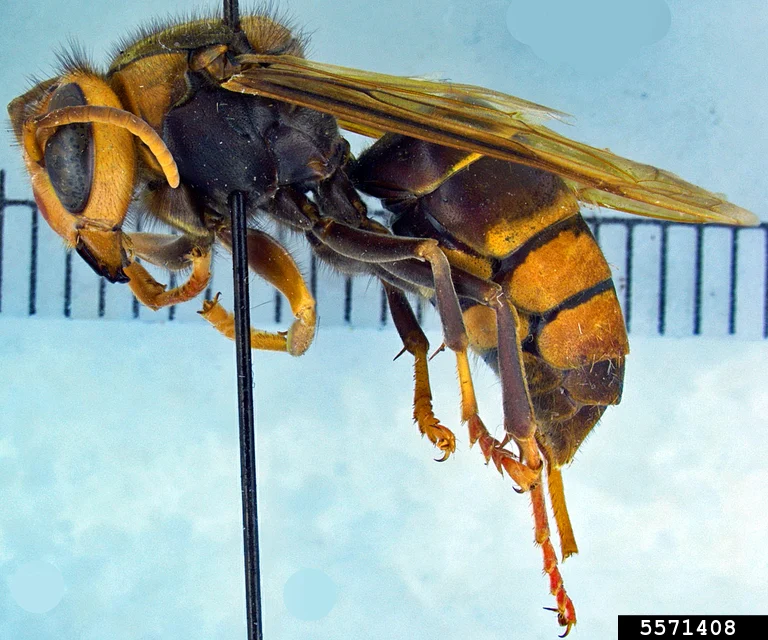
By Clint Thompson The ongoing threat of the yellow-legged hornet (YLH) to honey bee populations in the Southeast should concern the region’s fruit and vegetable producers, says University of Georgia Honey Bee Program Director Jamie Ellis. “Honey bees are incredibly important providers of pollination services. Many of the crops grown in Georgia, for example, blueberries, watermelons, cucumbers, cantaloupes, squashes; are …
Hedging Under Study for Cold-Hardy Citrus
One of satsuma mandarin’s drawbacks is its alternate bearing tendency. It will produce a heavy crop load one year and a low one the next year. Mary Sutton, University of Georgia (UGA) assistant professor and citrus Extension specialist, said tree hedging may provide a solution. She discussed the management technique at the Southeast Georgia Citrus Update in Lyons, Georgia on …
It Could Happen: Southeast Hopes to Dodge Hurricane for Second Straight Season
By Clint Thompson Before 2025, the likelihood that the Southeast region could experience a tropical season without a tropical storm or major hurricane seemed unfathomable; especially on the heels of Hurricane Helene and Hurricane Milton in 2024. But yet, the region dodged a major storm. The likelihood that the region could go through 2026 without the impact of a major …
Post Watermelon Season: Sanitation Key in Reducing Whitefly Populations
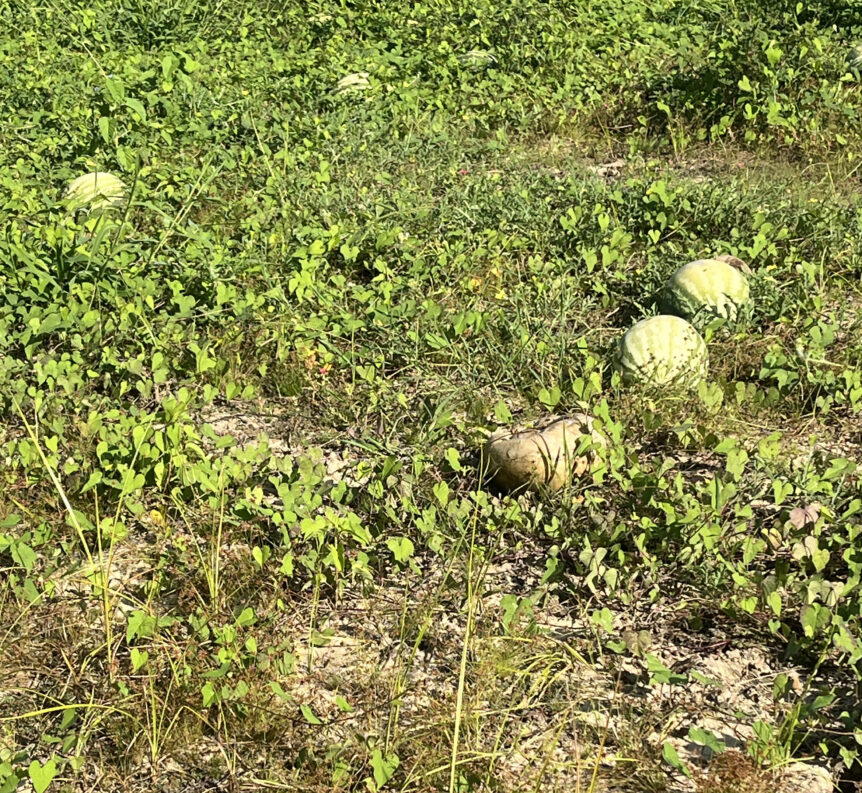
By Clint Thompson Harvest season has come and gone for most watermelon growers in the Southeast. While producers are done producing this year’s crop, they are not done with its management. Growers are encouraged to disk any unwanted melons in the field once the season has ended, according to Tim Coolong, associate professor in the University of Georgia College of …
Ag Climatologist Discusses Current Drought Conditions
By Clint Thompson The prolonged drought that lingered across the Southeast is still being observed in parts of Alabama, Florida and Georgia; just to a lesser extent. The most recent release of the U.S. Drought Monitor shows dry areas still present in all three states. Pam Knox, University of Georgia (UGA) Extension agricultural climatologist, talked about the drought and how …
Pathologist Provides Update on HLB Spread in Georgia
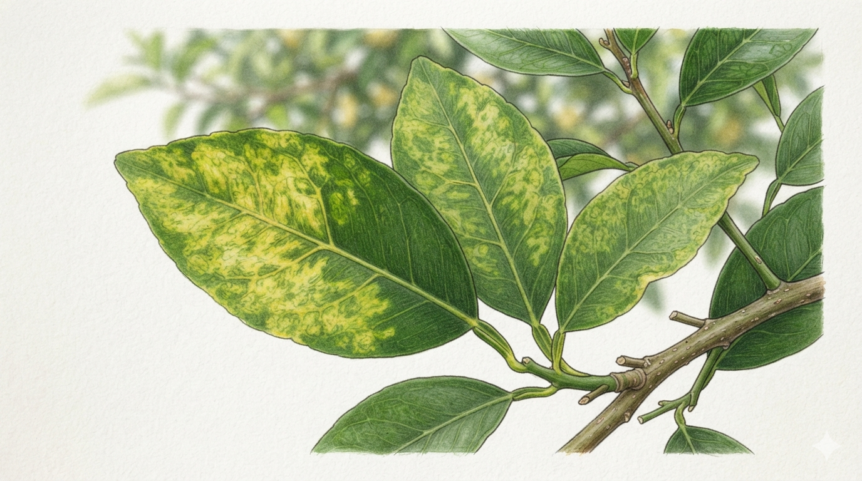
Citrus greening disease continues to loom over the cold-hardy citrus region. While the industry expands in South Georgia and North Florida, the threat of the disease (also known as huanglongbing, or HLB) remains a focal point of citrus meetings, including on July 28 at the Southeast Georgia Citrus Update in Lyons. Jonathan Oliver, University of Georgia (UGA) assistant professor and …
Freeze Protection Discussed at Southeast Georgia Citrus Update
Freeze protection is a vital part of university research in the cold-hardy citrus region. Growers in South Georgia, South Alabama and North Florida only have to look back to last season to see temperatures that dropped to dangerously low levels for citrus production. Mary Sutton, University of Georgia (UGA) assistant professor and citrus Extension specialist, discussed freeze-protection measures at the …
Look Before Planting: Inspect Strawberry Plants for Disease Symptoms
By Clint Thompson Strawberry producers are less than three months away before they start planting next year’s crop in Georgia. Their first order of business is ensuring the plants are clean before they are put in the ground. Producers want to avoid a Neopestalotiopsis (Neo) outbreak, and a careful inspection will help make that happen. Jeff Cook, University of Georgia …